Snowdrops (Galanthus) are early-flowering perennial plants in the genus Galanthus, family Amaryllidaceae. They are native to Europe and parts of western Asia and are among the earliest flowering plants in temperate climates. Whilst other plants cower for the winter, the snowdrop breaks through the first ground early and is a joy to see late January.
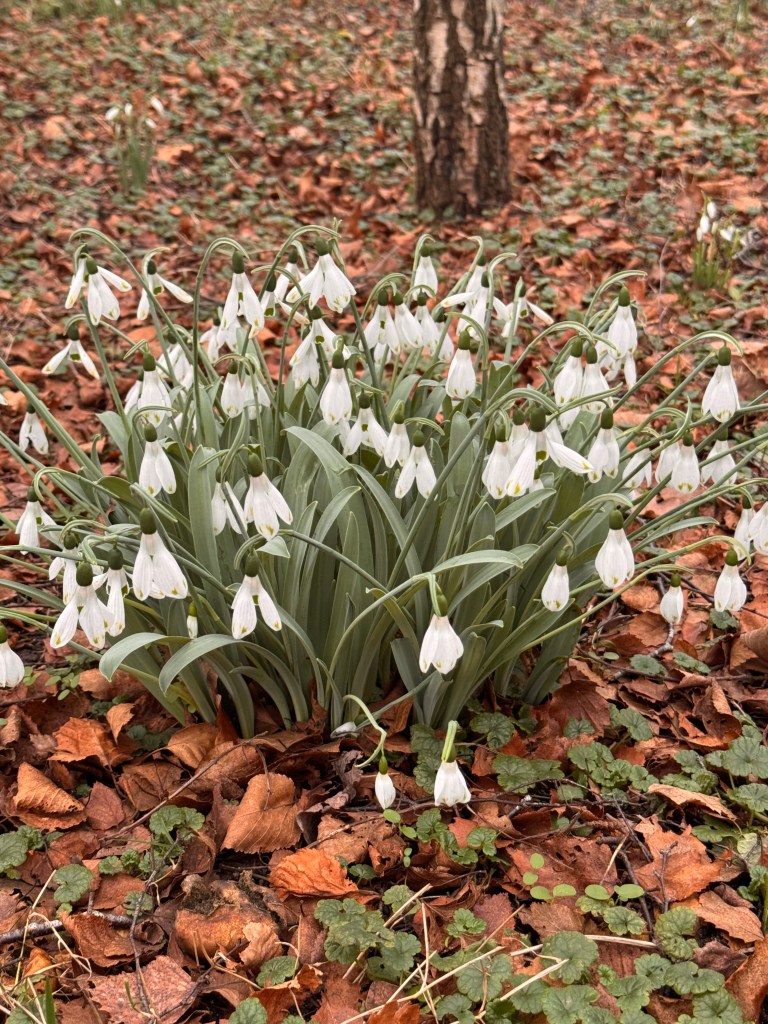
The genus Galanthus includes approximately 20–25 recognized species, though classification remains under revision due to regional variation and ongoing genetic study. The most widespread species is Galanthus nivalis, commonly known as the common snowdrop.
Snowdrops grow from underground bulbs and typically reach heights of 7 to 15 centimeters. Each plant produces narrow, linear leaves and a single nodding white flower. The flower consists of six tepals: three larger outer segments and three smaller inner segments marked with green patterns. The downward orientation of the flower is thought to protect pollen and nectar from precipitation and freezing temperatures, improving reproductive success in cold conditions.
Pollination occurs primarily through early-emerging insects, particularly bees capable of foraging in cold weather. Snowdrop flowers produce nectar even at low temperatures, making them an important early food source for pollinators. While self-pollination can occur, cross-pollination is more common and promotes genetic diversity. After flowering, seeds develop with elaiosomes—lipid-rich structures that attract ants, which transport the seeds to their nests and aid in dispersal through a process known as myrmecochory.
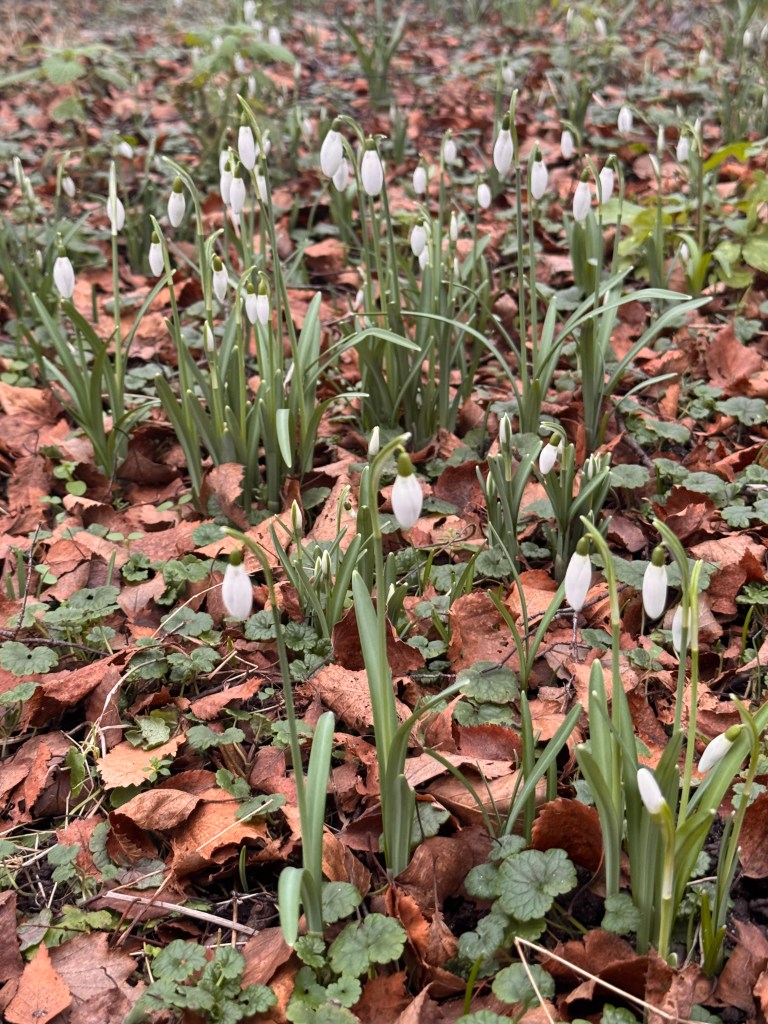
In the wild, snowdrops are most commonly found in deciduous woodlands, along riverbanks, and in moist, humus-rich soils, often in calcareous environments. Their early flowering period allows them to complete much of their growth cycle before competition for light intensifies in spring. This ecological strategy contributes to their success in shaded woodland habitats.
Snowdrops are also of scientific and medical interest due to their production of galantamine, an alkaloid used in the treatment of Alzheimer’s disease and other neurological disorders. The compound was first isolated from Galanthusspecies in the twentieth century. Demand for galantamine, combined with habitat loss and over-collection, has led to population declines in some regions.
 Oli's Ecology Blog
Leave a comment