The muntjac is an invasive animal in the UK brought in from East China in the beginning of the 20th century in Bedfordshire, male muntjacs are bucks and females are does, the young, fawn. I collected quite a few images of muntjac on a camera trap on UEA campus, with evidence of them foraging and gnawing on vegetation/branches long through the night, often on the move to avoid predators.
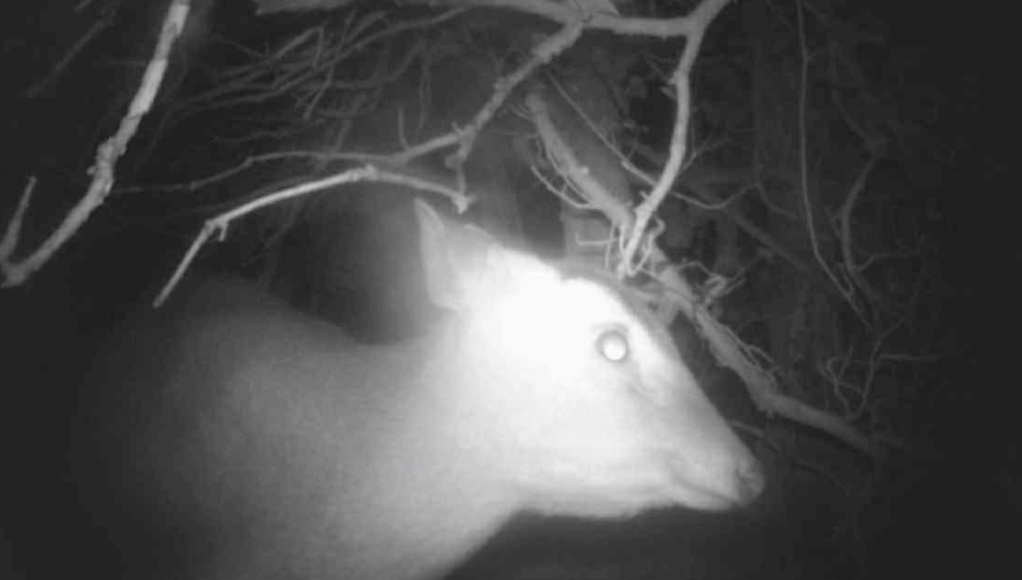
They are hunched over with their rumps over their shoulders which is characteristic to them. They are also distinctly smaller than other UK deer, and males weigh between 10-18kg as adults. (Chinese water deer only beating them by 2kg)
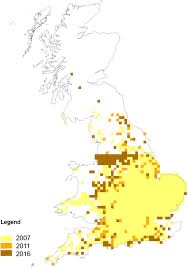
Muntjac have progressively invaded further and further into the UK since the 1980’s, after the deliberate and accidental releases from Woburn, Northampton and Warwick there led to feral populations in the wild.
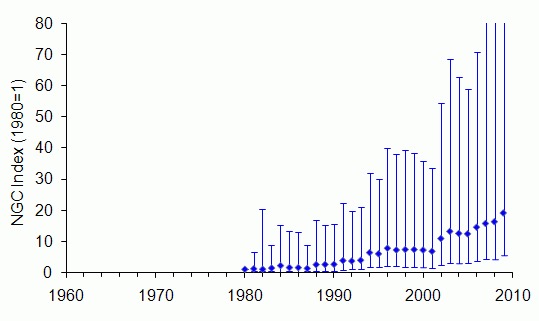
Muntjac populations have steadily risen until the 21st century where on the NGC index, estimates reach over 80 and propose a possible number of over 100,000 individuals into 2020. (Game and Wildlife Conservation Trust, 2009).
Populations have also steadily spread out of central England even making it near to the Scottish border with sightings in 2025.
Muntjac prefer coniferous and deciduous forests with lush vegetation and a bountiful understory. They are increasingly tolerant to human presence but are rarely found comfortably in urban environments and rather sometimes in extent travel through urban areas, in fact Muntjac might be responsible for 25% of DVC (deer vehicle collisions). They tolerate scrubs and farmland and will enter urban gardens if it’s nice enough…
Muntjac do not usually cause significant damage to agricultural or timber crops, unlike other deer species in the UK. However, they are a concern to gardeners and allotment owners. Because in high densities muntjac may prevent coppice regeneration and can deter the growth of some conservation focused plants such as primulas.
Since 2019, Muntjac are invasive and are prohibited within the following settings:
- Released in the wild anywhere in England or Wales without the correct licence.
- Import into the UK
- Bred in captivity.
- Sold alive
 Oli's Ecology Blog
Leave a comment