The grey heron is a majestic, long legged, wading bird with a long beak and grey, black and white feathering. The are often upright with their neck stretched out whilst looking forward or hunched over with their neck less stretched and sitting just over their chest.
They are resident all over the UK, all year round and can often be spotted resting at the UEA Broad.
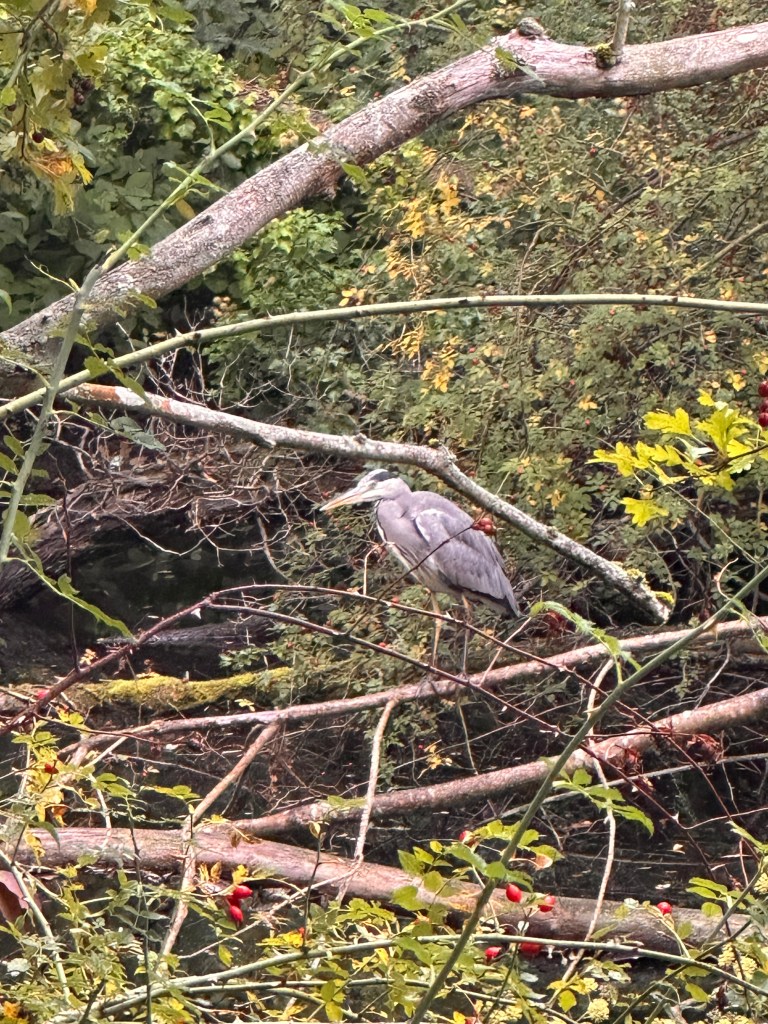
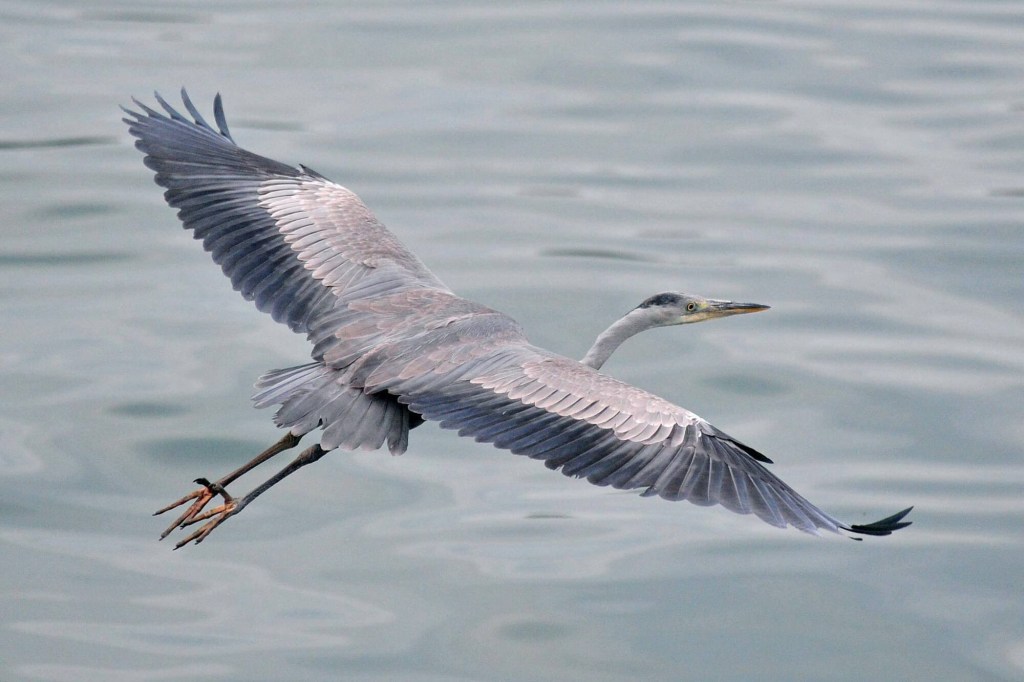
The grey heron has an average lifespan of 5 years in the wild with breeding typically at 2 years old. However, in captivity a grey heron has lived until 23 years old which is extraordinary! Herons are incredibly efficient flyers with wings spanning 155-195cm and can reach 30mph.
Personally, the grey heron is one of my favourite birds and is present in human culture religiously, in divination and worshiped in some certain ancient civilisations as a symbol of creation and rebirth.
The British Trust for Ornithology estimates that in 2025 there were around 9,301 apparently occupied nests (notably slightly down from the year before) However, the Grey Heron is comfortably of “Least Concern” detailed by the IUCN Red List.

The Grey heron is a fond of the UK but it is native throughout temperate Europe, Asia and some areas of Africa.

As seen in the image above, European grey herons (in the UK) have instincts overwinter to migrate to C and W Europe. Whilst many herons do live year round in the UK migratory birds from Western Europe that only breed there do travel Eastward, with some Southern European grey herons having non-breeding colonies (notably all throughout Italy there is no permanent nesting).
In flight, the grey heron is exceptional, their slow and powerful wingbeats make them seem angelic as they move across water. Appearance in both sexes is actually very similar and sexual dimorphism is minimal (males are slightly larger with more excessive plumage in the breeding season.
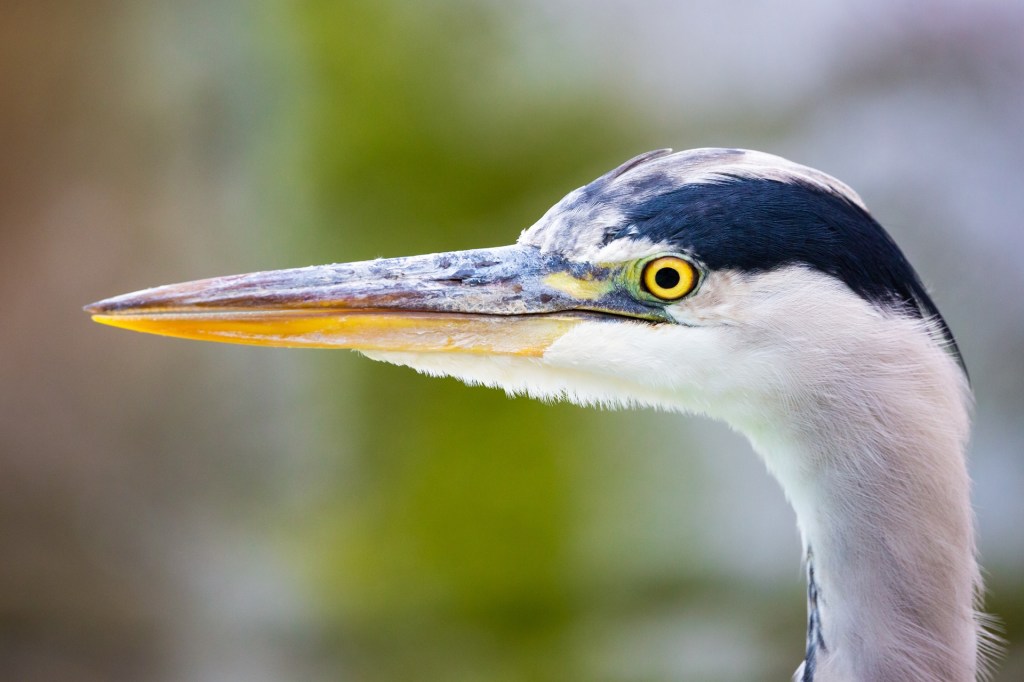
Grey heron plumage exhibits countershading, the grey/white/blue pattern likely facilitates prey capture through enhanced camouflage. The head and neck are white and slender/pointed with a black stripe like eye-liner that extends though the eye down to the back of the head. Legs and feet vary in colour from pink to brown.
The grey heron is adaptable to any aquatic habitat that sustains their diet, the watery body must be shallow enough for hunting and so it can wade. It nests in mountain tarns, lakes, reservoirs, rivers, marshes, ponds, ditches, flooded areas, coastal lagoons, estuaries, and the sea shore.
Image credit: Chester Zoo, Irish Examiner, Cornell Lab, MigrationAtlas.
 Oli's Ecology Blog
Leave a comment