To start off, Wildflower Hour is a UK-wide citizen science event where people spend one hour looking for and recording wildflowers in their local area. It usually takes place once a year in late May, when many native plants are in bloom, but we did it in the end of February, but there was still lots to see!
List of flowering plants found in all groups around the UEA campus:
- Hairy bitter cress
- Cowslip
- Daffodil
- Snowdrop
- Celandine
- Common ground speedwell
- Popping cress
- Hazel (tree)
- Daisies
- Cherry plum (prunus)
- White dead nettle
- Red dead nettle
- Alder (tree)
- Aconite
- Chickweed
- Larch (tree)
- Crocus
- Bulbous Buttercup
- Annual Mercury
- Blackthorn (prunus)
- Gorse
- Sweet violet
- Siberian squill
- Spring beauty
- Goat willow
- Greater periwinkle
- Silver birch
Wildflower hour supports the work of, the following organisations – Botanical Society of Britain and Ireland, Plantlife, The Wild Flower Society, The Wildlife Trusts and The Woodland Trust.
I will list the most interesting of the finds below:
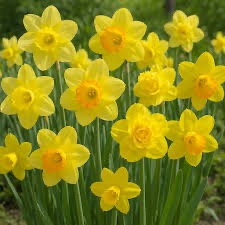
The daffodil is a prominent harbinger of Spring in the UK, being the national flower of Wales and one of the first brightly and commonly found flowers. In the family Narcissus , it is a six petal flower cupped with a trumpet shaped corona and are generally yellow or white (yellow trumpet always). The genus arose in Europe, thought to be around the Iberian Peninsula and is now widespread in Northern Africa and across Europe.
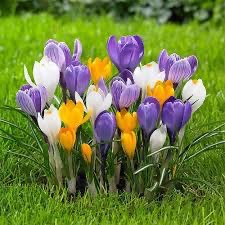
Crocus are seasonal flowering plants that bloom in late spring, known for their low growth and bright colours that brighten the UK after winter. They can also flower in autumn, winter, or spring. The flowers close at night and during overcast weather. Crocus is famous for producing saffron from its stigma, which has been used as a spice and dye. These plants grow in woodlands, scrub, and meadows from sea level to alpine tundra, found across the Mediterranean, North Africa, central and southern Europe, the Aegean islands, the Middle East, and Central Asia.
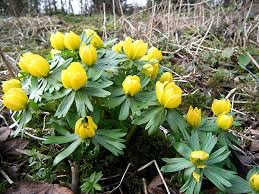
The winter aconite is a family of the buttercup and a fond occupant of woodland areas, native to France and Italy, it is now widespread through Europe and an uncommon sighting in the UK.
 Oli's Ecology Blog
Leave a comment