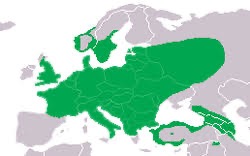
The Green Woodpecker, Picus viridus is an auspicious occupant of the UK’s forests and gardens (also known as a yaffle) the woodpecker is an uncommon large green bird with a black moustache and red crown. It is widespread throughout Europe and Eurasia except Spain and Portugal, being replaced by the Iberian green woodpecker.
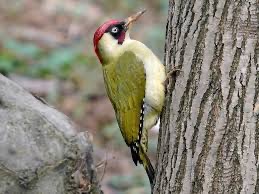
The green woodpeckers diet consists mostly of insects (mainly ants) that are found crawling on trees, this takes up much of his/her day. Whilst “woodpeckers” are known to drum on trees, the green woodpecker does not often find itself drumming but rather crawling on trees and hopping on the forest floor foraging.
The green woodpecker is very noticeable but a normally shy bird, identified most commonly by its loud and fast squawking, repetitive call. I normally spot a green woodpecker when I least expect to and know from then on it will be a good day but often hear it (hear it yaffling) before so.
Both sexes are green with a yellow rump, similar sizes and have a red crown. But males also have a slight red streak below their eyes. On average it measures 30–36 cm (12–14 in) in length with a 45–51 cm (18–20 in) wingspan. Juveniles are spotty and streaked all over.
Green woodpeckers nest at least a few feet off the ground in nesting holes within trees, a combination of old deciduous trees for nesting, and nearby feeding grounds with plenty of ants is essential. They can be found in nearly all landscapes including, woodland, hedges and floodplains.
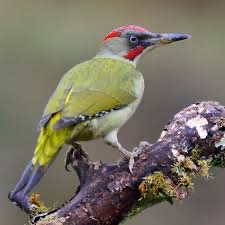
The European green woodpecker has a large global ranged estimated to be about 10 million square kilometres and a population between 920,000 and 2.9 million birds in the wild. The IUCN red list details them as of ‘Least Concern’ meaning they have sufficient habitat space and are not being overly predated in any way.
Around 75% of the range of the European green woodpecker is directly in Europ, except Ireland, Greenland and the Micronesian Islands. Over half of the European population is in France and Germany but substantial populations in nearly all other European countries. However, they have dispersed impressively for being such a sedentary species, in breeding seasons they are known for staying within a 500m area!
 Oli's Ecology Blog
Leave a comment