The red kite is a bird of prey and in the UK a newly re-introduced species that is performing very well in the wild. It was extinct in the wild in 1870’s, re-introduced in 1989 and has been recovering since 1992. The red kite (Milvus milvus) is in the bird family Accipitridae which includes many other raptors, UK raptors such as eagles, buzzards and harriers. The IUCN red list now puts the red kite as of “least concern”.
The red kite only breeds only breeds in Europe but has historically lived West Asia and Northern Africa, with around 32,200–37,700 currently known breeding pairs in Europe. They are not necessarily equally widespread through Europe however large migrational and non migrational populations still exist as far as Western Belarus , the UK and Spain with connective bands between all -NESW- of Europe.
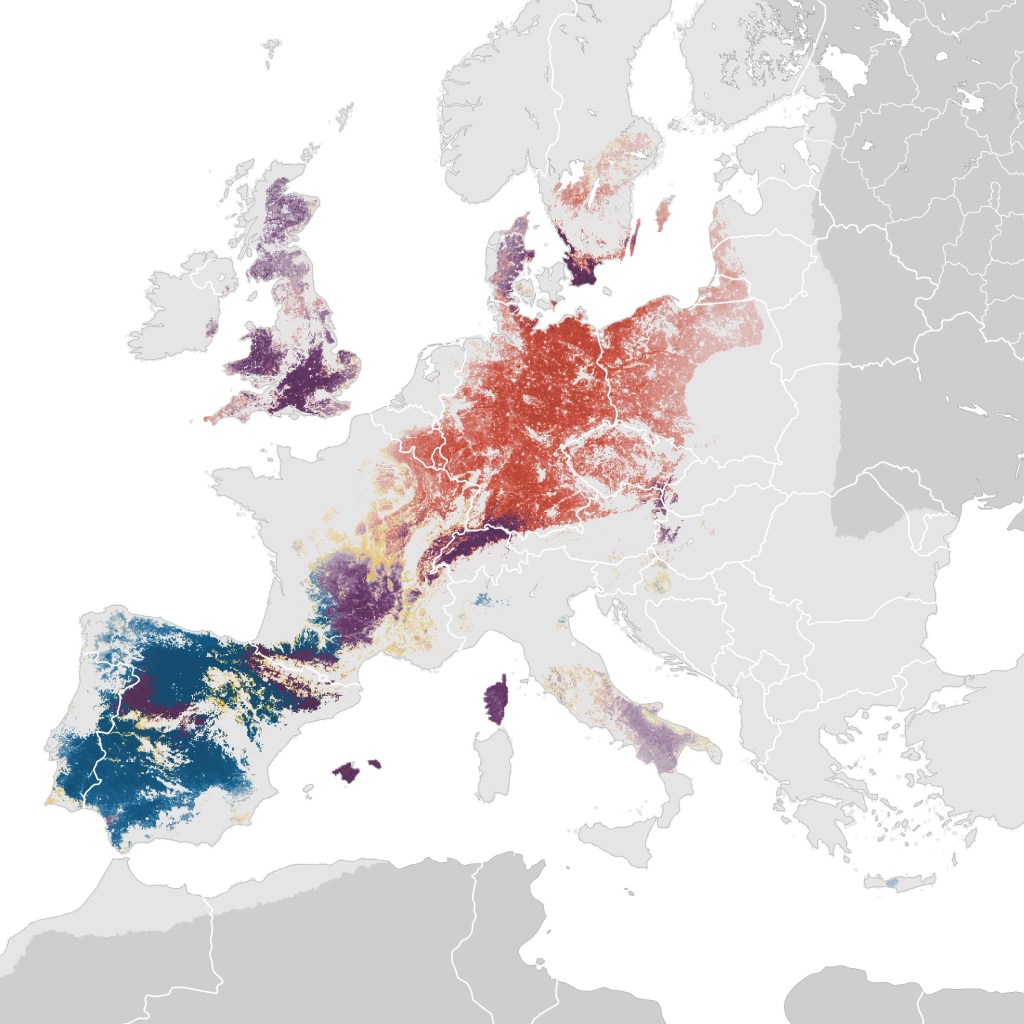
Red kites inhabit broadleaf woodlands, farmland, valleys and wetland edges, up to at least 1,600 metres elevation.
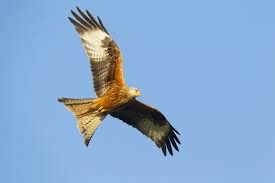
The red kite has a distinctive sharp forked tail which is the best indicator of what bird of prey you’re looking at, as well as the white diagonal feathers across its wings. The body and upper wing is red (where it gets its name from) or more accurately ‘rufous’ with a white head and yellow beak. It glides elegantly, typically in a circular motion when it finds something it’s interested in, with a wingspan of 175–195 cm. The red kite is 60 to 70 cm long and males weigh 800–1,200 g, females weigh 1000-1,300 g. Apart from the weight difference, the sexes are similar, but juveniles have a buff breast and belly.
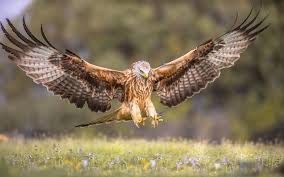
It has a very similar call to the common buzzard (listen below title) but is less drawling. Red kites usually breed at two years old and extraordinarily cases of breeding at one years old. There are cases of red kites living up to 29 years old but the established normal age is 25.
Red kites both scavenge and predate, their diet consists mainly of small mammals but often kill sheep, pigs and scavenge road kill. They also dabble in other live birds from time to time.
 Oli's Ecology Blog
Leave a comment